|
|
Reader's Digest has published an article on Peter Byrne - IWCS's founder. Read the online version of the article by clicking here. --- --- --- --- --- --- --- ---
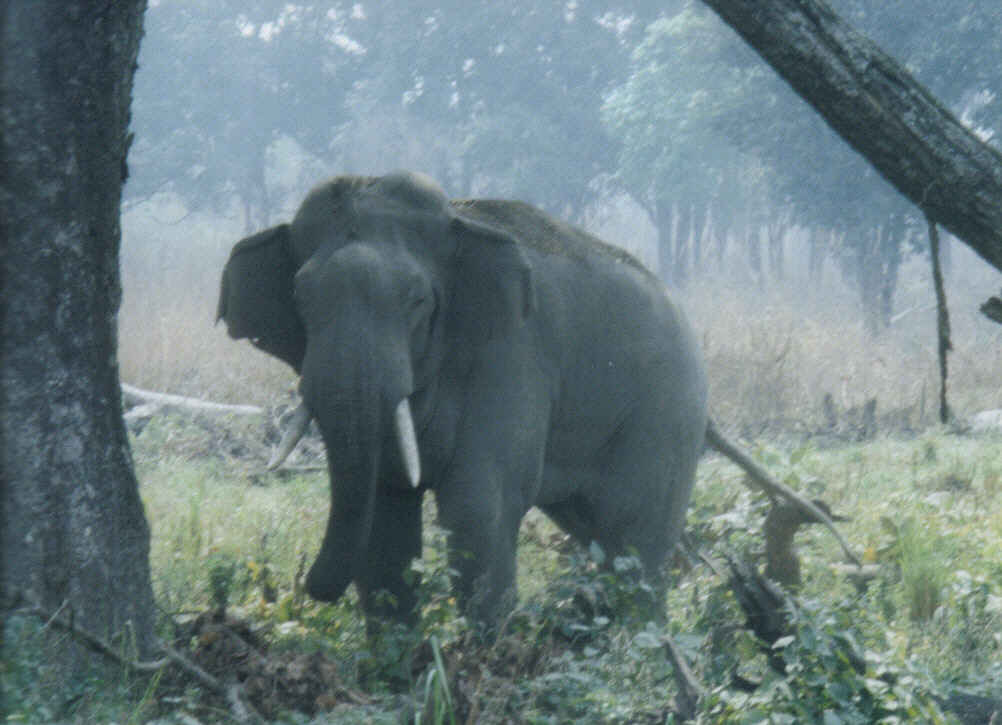
The International Wildlife Conservation Society Inc. was founded in Washington DC in 1968 and is a not-for-profit organization with (501) (c) 3 tax status. The society was originally created for the purpose of creating a protected park out of part of a big game hunting concession operated by Peter Byrne from 1953 to 1968. The result of the society’s work is the Sukila Phanta, or White Grass Plains, Wildlife Reserve. Originally designed to encompass 60,000 acres, the park in recent years has been increased in size to 200,000 acres and, mainly because of its remoteness, has remained pristine and unspoiled, as well as only minimally explored.
Since 1968, IWCS has directed all of it resources and funding into this one area, the WGP, and in this way has been able to appropriately apply and carefully control the application of its funding. All field work is supervised by a member of the society, usually Peter Byrne. Across the years, preservation projects in the reserve have included animal counts, poaching control, vehicle maintenance (of the park warden's vehicles) and, via its Water For Wildlife program, an agenda that has included the complete restoration of two dry and abandoned lakes, the rehabilitation of a powerful but choked and derelict spring and the creation of three 250,000 gallon waterholes to provide drinking water for wildlife. These latter were achieved by widening and deepening the dry beds of old rivers, closing them off with dams topped by concrete spillways and then allowing monsoon waters to fill them. A new project planned for the winter of 2006-2007 is the creation of a new type of waterhole, one that will use ground water as its source and as a permanent drinking water supply for elephants and rhino and all other animals, large and small.
A major program now being undertaken by IWCS is the establishment of a research and conservation center at the edge of the WGP. For details of this, see the section under SAFARI LODGE.
For the future … IWCS, cautious about what can happen to precious funding when it is distributed over large areas and many projects, has, through its concentration on just one place-the White Grass Plains Wildlife Reserve-maintained a unique position in the field of wildlife preservation, one that its staff, all of whom work as volunteers, are determined to continue.
| |||||